
The Business of Making Art
The Andy Warhol DiariesThis thread traces Warhol’s struggle to balance art-making with marketing, commissions, licensing, gallery demands, and financial survival.
increasing Bearing strength in each event
 decreasing
Bearing strength in each eventdecreasingSelf-Financed Ventures
Self-Financed Ventures
Owning the undertaking
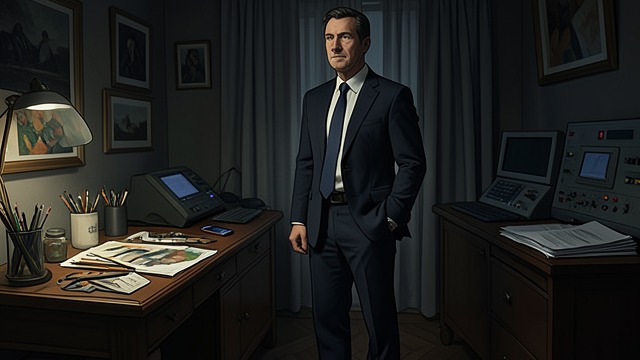
Warhol preferred starting projects on a modest budget and building them without surrendering too much ownership to backers.
That approach shaped both Interview and his wider business dealings.
Commerce as method
Money was not simply an external concern: financing, advertising, and circulation became part of the work’s conditions.
Portraits and Commissions
Portraits and Commissions
Art meets client expectations
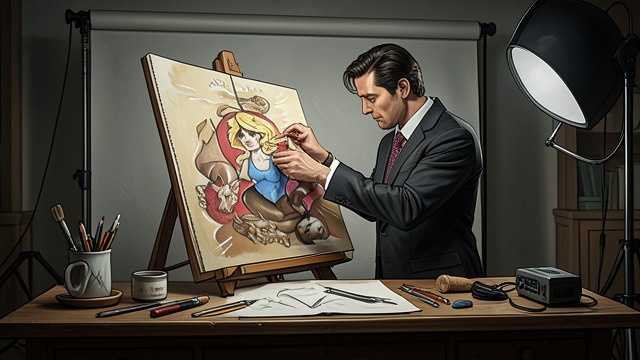
Warhol’s portrait business brought steady income, but clients expected flattering images and careful service.
He adjusted photographs, chose backgrounds, and managed a production process that made commercial needs inseparable from the finished work.
Opportunity and compromise
The commissions gave him access to new people and markets, while raising questions about how much the client shaped the art.
Prices and Authenticity
Prices and Authenticity
The value of a signature
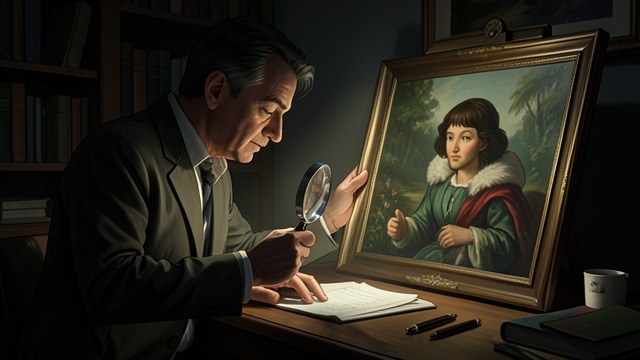
Auction prices, resales, and forged works made authenticity central to Warhol’s financial world.
He worried that fake paintings could make buyers distrust legitimate works and weaken his prices.
Control of the market
Dealers and assistants helped maintain or challenge the value attached to Warhol’s images.
Licensing and the Brand
Licensing and the Brand
Expanding beyond paintings
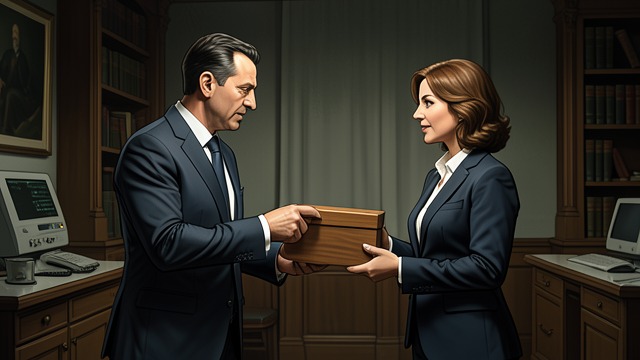
Commercial offers tied Warhol’s name to products, advertising, fashion, and corporate projects.
He weighed new income and visibility against the possibility that a deal would diminish his control or cheapen the work.
Negotiating limits
Disagreements over fees, credits, and permissions reveal how carefully he and his associates had to manage the Warhol identity.
The Strain of Repetition
The Strain of Repetition
Familiar images return
Warhol revisited established motifs and produced new series, sometimes worrying that the art world saw repetition rather than reinvention.
He also watched younger artists and rising prices challenge his sense of where his own work belonged.
Balancing business and invention
The effort to sell, exhibit, and finance work remained constant, but did not resolve his fear of artistic obsolescence.
1969 onward
The 1970s
Late 1970s
Early to mid-1980s
1983–1986
